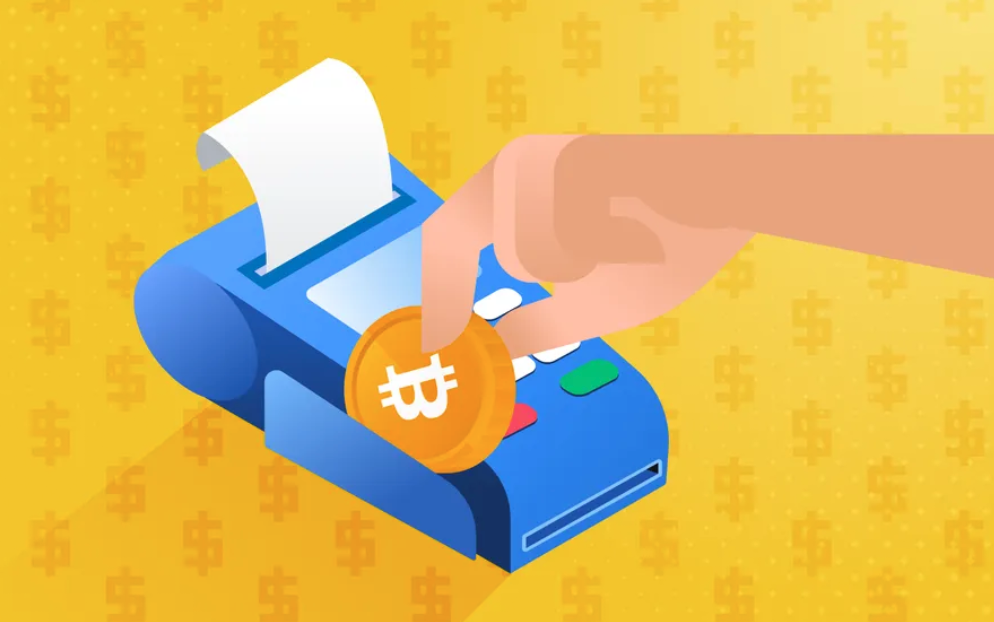
Crypto payment systems enable value transfer through cryptography and distributed ledgers. They hinge on wallets, keys, and addresses that translate intent into verifiable transactions. Transactions, confirmations, and blockchains form the lifecycle from initiation to final settlement. Real-world use cases include consumer payments, remittances, and smart-contract finance, with stablecoins supporting liquidity. Governance and regulatory clarity shape security, interoperability, and long-term viability. The implications are broad, and the next considerations may redefine how secure, scalable, and accessible these systems become.
What Are Crypto Payment Systems and Why They Matter
Crypto payment systems are digital frameworks that enable the transfer of value between parties using cryptographic algorithms and decentralized or centralized ledgers. They provide programmable, borderless settlement, reducing intermediary reliance.
The analysis notes crypto adoption as a shaping force, driving innovation while inviting scrutiny.
Regulatory impact influences access, compliance norms, and interoperability, shaping risk, transparency, and long-term sustainability for users seeking financial liberty.
See also: How Augmented Reality Enhances User Experience
How Wallets, Keys, and Addresses Work
Wallets, keys, and addresses form the core primitives of crypto payment systems, translating user intent into verifiable, cryptographically secure transactions.
This explanation focuses on wallet fundamentals, differentiating hot and cold storage, and emphasizing security models.
Public-private key pairs enable signatures; address derivation converts keys into usable identifiers.
Proper key management, backup practices, and deterministic recovery underlie reliable, user-empowering asset access and control.
How Transactions, Confirmations, and Blockchains Tie Together
Transactions are the unit of value transfer, while confirmations lock in the legitimacy of those transfers and the blockchain serves as a distributed ledger that records and orders them; together, they form the lifecycle from initiation to final settlement.
The process hinges on key management and efficient transaction fees, balancing speed, security, and autonomy within a decentralized economic system, enabling transparent, authorizable value movement.
Real-World Use Cases, Security, and Regulatory Considerations
Real-world use cases for crypto payment systems span consumer purchases, cross-border remittances, business-to-business settlements, and programmable finance through smart contracts, each illustrating how digital assets can reduce settlement times and costs while enabling programmable rules.
The landscape emphasizes security concerns, regulatory clarity, crypto mining implications, and the role of stablecoins in liquidity, resilience, and compliant transfers across jurisdictions.
Freedom-compatible governance remains a focal consideration.
Frequently Asked Questions
How Do Crypto Payments Handle Chargebacks and Reversals?
Crypto payments typically do not support chargebacks; reversals rely on consent, mutual agreement, or custodian interventions. Designers debate chargebacks myths and reversal concepts, emphasizing immutable ledgers, risk management, and user autonomy within regulated frameworks for freedom-oriented systems.
Are There Hidden Fees Beyond Network Transaction Costs?
Hidden fees are rare beyond network costs, though some platforms layer maintenance or gateway charges. Symbolically, trust weighs like a scale; network costs echo as friction, demanding transparency for an audience seeking freedom in crypto payments.
Can I Use Crypto Payments Offline or Without Internet?
The answer: offline capability exists via air gapped wallets for offline storage and microtransactions, though active transactions require online connectivity; mining incentives drive network security, but offline use limits immediate settlement and validation.
How Scalable Are Major Networks During Peak Demand?
Major networks face scalability challenges during peak demand, evidenced by congestion and higher fees, as non reversal mechanics and settlement finality pressures tighten. System design aims to prevent instability, yet throughput remains constrained when demand spikes.
What Happens if a Recipient Never Claims a Payment?
If a recipient never claims a payment, the funds remain in unclaimed status, becoming dormant wallets with occasional recoverability checks; unclaimed funds may trigger reversion rules or maintenance delays, depending on platform policies and applicable jurisdiction.
Conclusion
In a quiet harbor where ships sail by codes rather than ropes, crypto payment systems stand as the harbormaster. Wallets are the gates, keys the passwords to tides that never sleep; addresses mark each vessel’s berth. Transactions are the waves, confirmations the rising chorus of the tide, and blockchains the unbroken quay upon which value rests. The harbor thrives when trust, regulation, and innovation align—allowing commerce to travel swiftly, securely, and seamlessly across distant shores.